
“That’s Not Fair!” Understanding the Difference Between Equality and Equity
Have you ever heard a child say, “That’s not fair!”?
Whether it’s at home, in the classroom, or on the playground, it’s a phrase most parents, teachers, and carers hear regularly. Our natural instinct is often to make things “fair” by ensuring everyone gets exactly the same thing.
For many years, I believed fairness meant equality.
If Tommy was allowed to sit on a wobble stool, then Joe should have one too. If Andrea needed a movement break every five minutes, then surely every student should have one as well.
But as I gained experience teaching, particularly in special education, I realised something important: what is best for one child is not always what is best for another.
The same lesson carried into parenting. Even though my children share the same parents, they have different personalities, strengths, challenges, and needs. Parenting them exactly the same wasn’t fair—it simply wasn’t meeting each child where they were.
This shift in thinking completely changed how I viewed fairness.
Equality Isn’t Always Fair
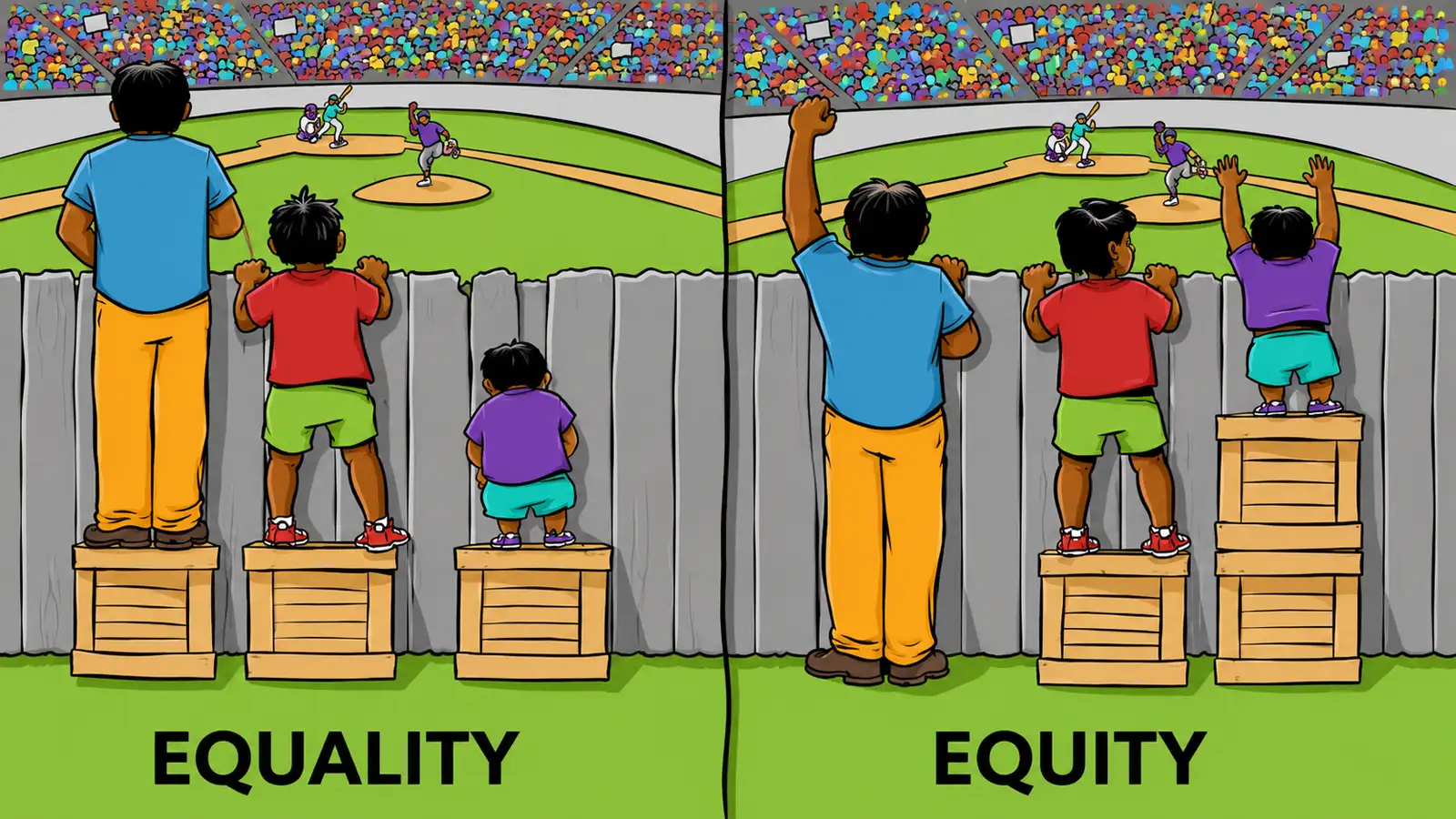
Early in my special education journey, I came across this illustration comparing equality and equity. It perfectly captured a concept that has shaped my teaching and parenting ever since.
Equality means giving everyone the same resources, support, or opportunities.
Equity means giving each person what they need to succeed.
While equality sounds fair on the surface, it doesn’t always create inclusion. In fact, treating everyone exactly the same can unintentionally create barriers for those who need something different.
Imagine asking every child to wear the same size shoes. Everyone receives the same thing, but only a few are actually comfortable.
The same principle applies in education, parenting, and everyday life.
Why Individual Support Matters
Every child learns differently.
Some children benefit from sensory tools to stay focused. Others need movement breaks, visual schedules, additional processing time, or quieter environments.
Providing these supports isn’t about giving special treatment.
It’s about giving each child the opportunity to participate, learn, and thrive.
When we insist on treating everyone exactly the same, we often overlook the individual barriers that prevent some children from fully engaging.
Why Don’t We Just Remove the Barriers?
This is an important question.
Wouldn’t it be better if there were no barriers in the first place?
Absolutely.
While society has made significant progress towards becoming more inclusive, many barriers still exist, particularly for people living with disability.
These barriers can include:
- Physical barriers, such as inaccessible buildings or playgrounds.
- Attitudinal barriers, including stereotypes and misconceptions.
- Communication barriers that make information difficult to access.
- Systemic barriers within education, healthcare, or workplaces.
- Social barriers that can leave people feeling excluded or misunderstood.
Creating a truly inclusive society means recognising these barriers and actively working to remove them wherever possible.
Equality of Opportunity Matters Most
One of the guiding principles of the United Nations Convention on the Rights of Persons with Disabilities is equality of opportunity.
This principle reminds us that fairness isn’t about everyone accessing opportunities in exactly the same way.
Instead, fairness means ensuring everyone has an equal chance to participate, contribute, and succeed—even if the supports they need look different.
This shift in thinking encourages us to focus less on identical treatment and more on meaningful participation.
Education Is the Key to Inclusion
Providing individual supports is only part of the picture.
Helping others understand why those supports are needed is equally important.
For example, if a child needs a sensory tool to remain calm and engaged during a group activity, I first teach the child how to use it effectively. Then, I explain to classmates, parents, carers, or other stakeholders why the support is important and how it helps everyone participate successfully.
These conversations build understanding.
They reduce judgement.
They foster empathy.
Most importantly, they help create environments where differences are accepted rather than questioned.
Inclusion Takes Time—But It’s Worth It
Supporting individual needs isn’t always quick or easy.
It often requires planning, patience, communication, and collaboration.
However, the time invested early on pays enormous dividends.
When children understand that different people need different supports, they develop empathy, respect, and acceptance. They begin to see diversity as something normal rather than something unusual.
Those are lessons that last far beyond the classroom.
Key Takeaways
- Fair doesn’t always mean everyone receives the same thing.
- Equality provides the same resources to everyone; equity provides the support each person needs.
- Individual supports help remove barriers and promote meaningful inclusion.
- Education and open conversations help others understand why different supports are sometimes necessary.
- Creating equal opportunities allows every child to participate, learn, and reach their potential.
Final Thoughts
The next time you hear the words, “That’s not fair!”, take a moment before responding.
Ask yourself:
Is this really about everyone receiving the same thing?
Or is it about ensuring everyone has an equal opportunity to succeed?
When we shift our focus from equality to equity, we move closer to creating environments where every child feels valued, supported, and included. Fairness isn’t measured by identical treatment—it’s measured by whether each person has what they need to thrive.